Most studies on Islamic religious scholarship and on the scholarly elite (the Ulema) concentrate on the pre-modern period. At the same time, most studies of Islam in modernity focus on “new intellectuals” of various stripes—modernists and Islamists— and overlook the “old guard.” As a result, the student of contemporary Islam often assumes that the custodians of the classical religious tradition have been little affected by the modern period. Furthermore, one also gets the impression that the Ulema have little influence in Muslim daily life or that, if they do, then it is in the sphere of private religious practice rather than in politics or the public arena.
The processes and consequences of social and religious change as they have shaped and have been shaped by the Ulema are the subject of this writing. The challenges and consequences of modernity have no doubt hit the Ulema hard. Mass higher education and the impact of print and other media have made deep inroads into the Ulemas privileged access to authoritative religious knowledge, even as the “reflexivity” of modernity, that is, the need to constantly adapt existing forms of knowledge, institutions and social relations to relentless flows of information, poses severe challenges to the credibility of their discourses.
The Ulema's institutions of learning have grown dramatically in recent decades. In Pakistan,there were less than 150 madrasas at the time of the establishment of the state in 1947; according to certain recent estimates, there are at present more than 2700 in the Punjab, the most populous of Pakistan's four provinces, alone. The number of madrasa students in the Punjab has increased from 24,822 in 1960, to 81,134 in 1979, to 249,534 in 2001; that is, their number has multiplied by more than ten since 1960 alone. In several other contemporary states, both where Muslims constitute a numerical majority and where they are a minority, the Ulema in recent decades have grown increasingly prominent in society and politics.
Here this article mainly focuses on Kerala Ulema tradition. As we know the Islamic traditionalism had come to Kerala before 1500 years ago. By the arrival of Malik Bnu Deenar and his companions, started the hierarchy of traditionalism. But another studies had proved that before the arrival of them Kerala already has witnessed the Islamic traditionalism through the travels of merchants to Arab countries and Arabs to Kerala. The Ulemas of Kerala were and are struggling to keep the Islamic traditionalism as existence and they maintain Islamic traditionalism in modern world.
As a result of their hard work to keep traditionalism as existence more Ulemas spent their whole life for Islam. Many of them sacrificed and didn't give any preference to this material life. So now we are living under their shadow. And our Kerala Ulema made reformation in both social and political arena.
MICRO-PHONE AND THE STANCE OF SAMASTHA ULEMA
Some common people have recognized that Ulemas are stable in one kind and they don't like to change the system in modern age. But here our Ulema changed and added to our Islamic system by standing inside of modernity. So in any way modernity doesn't challenge our Islamic tradition.
Anakkara c koya kutty musliyar has said in one of his Samastha articles that our responsibility is to keep what we have and had and not to add anything to it.
The Samastha Kerala jam-iyathul-Ulema is arguing "we are the custodians of change". Our forefathers had taught us through our islamic texts like fath-hul mu-een , Thuhfa etc. that the sound of Qatheeb, the sermoner, in friday jumu-a is compulsory to be heard directly by minimum forty members, as the Islamic laws said, of that Mahal. But after a deep scientific study in microphone Ulemas gave the permission to people to use microphone, this system of using microphone in quthuba ,'friday jumu-a speech', hasn't any disagreement to our Islam. But some other party has argued against it without reading Islam with modern age. Here we can't stand against them, because they have their own testimony. The increasing of people in Mahal may want such modern system.
We know Samasthana, a newly derived form from Samastha in last two or three decades, was gone out from this issue. And even now we could see them as keeping the Islamic traditionalism. Simultaneously our prominent Kerala Ulemas are also keeping traditionalism by reading modernity in the new age. In my opinion, in this controversial issue Samastha Ulemas and samsthana Ulemas are the custodians of change. Here no any problems will raise if it was studied well. Now the Samastha and Samasthana Ulemas are reading Islam differently but these both will reach in single goal and non-difference.
Here i dont like to fill here my opinion more. Allah is the best knower.
Fatwa system and Ulema
In another point this paper is discussing on fatwa discourse. We know that our Samastha has a fatwa committee. Many of modern scholars or some modern intellectuals are demonstrating and incorrectly thinking that the system of Fatwa is a new entered form to Islamic tradition or other says that the age of Muslim scholars who have a right or capacity to give Fatwa has expired.
In a broad study in such realm, we could see in history its testimony. Our school leaders Imam shafi (r), Imam Hambali (r), Imam maliki (r), Imam Hanafi (r) are the authentic examples. And Samastha Ulemas especially mushavara members are also continuing this Fatwa tradition. Fatwa is an essential thing in this contemporary age. Fatwa doesnt provide any disagreement to Islamic texts. I think in this modern age this system plays a major role and doesn't oppose the traditional system.
Some contemporary Fatwas of Kerala Ulemas are following;
=They announced the using of other language in quthuba rather than arabi isn't good and it is a bad heterodoxy (1947 march 15 kozhikode, meenchanda- jumu-a masjid. mushavara meeting under the presidium of janab maulana abdul bari musliyar)
=In answer to a question about cinema, they decided to answer generally, that it is prohibited (1961 may 4, mushavara meeting which held at Tanur central madrassa)
=In answer to a question about seeing and hearing television they answered that whatever is not a problem to Islamic law in real sight that also can see and hear through television.
These are the few Fatwas of Samastha Kerala jam-iyathul Ulema. The primer Fatwa committee has constituted in 1963 December 29 and the first five members of this primer committee were 1- P Ibrahim Musliyar, 2- Kanniyarth Ahmed Musliyar, 3-T Aboobacker Musliyar Kottumala, 4- KK Sadakathulla Musliyar, 5- EK Aboobacker Musliyar. These particular Ulemas are the key-Ulemas of Samastha. By using such kind of system they saved the traditionalism of islam as Muhammed Qasim Zaman stated in Pakistani Ulema and these Ulema are the custodians of change.
Preaching and Islamic traditionalism
In search of history we could find all the Ulemas of Islam even in Kerala have engaged in any right sufi thareeqa. I think it is a traditional system that those who are preaching islam to be a Mureed, the follower, of a Shaikh. The prophet Muhammed (s) is the first man from whom the thareeqa has originated. We know all companions of prophet have a relation to prophet in thareeqa through Bai'ath. If we got a Ija'za , permission, from our shaikh to recite dhikrs, then only it would have a great influence. And prophet (s) said that you people have to do how you have seen from me.
After keeping some academic studies aside, we could demonstrate that the islam had been familiar to Kerala people in prophet's age itself. But the real preaching Da'wa system had started after the arrival of malik bnu dheenar and his companions. From then to late 20th century all the Ulema, who preach islam to non- muslim, were engaged to any right thareeqa. But in these years we could see more new generation Ulemas are preaching islam without engaging in any thareeqa. My point of view is, this upcoming system is marginalized our islamic traditionalism. so we couldn't say our new generation Ulemas as Kerala Ulema and Traditionalism
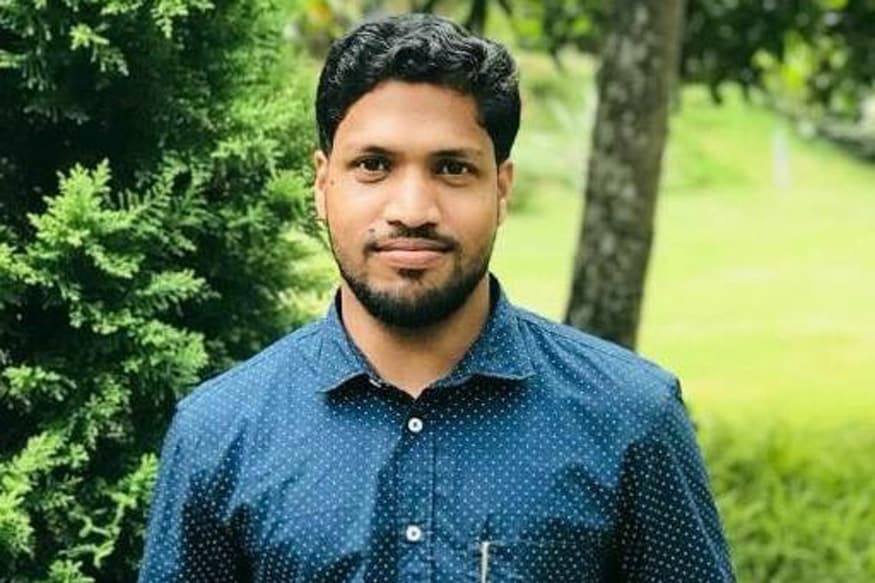
JURAIS POOTHANARI
The processes and consequences of social and religious change as they have shaped and have been shaped by the Ulema are the subject of this writing. The challenges and consequences of modernity have no doubt hit the Ulema hard. Mass higher education and the impact of print and other media have made deep inroads into the Ulemas privileged access to authoritative religious knowledge, even as the “reflexivity” of modernity, that is, the need to constantly adapt existing forms of knowledge, institutions and social relations to relentless flows of information, poses severe challenges to the credibility of their discourses.
The Ulema's institutions of learning have grown dramatically in recent decades. In Pakistan,there were less than 150 madrasas at the time of the establishment of the state in 1947; according to certain recent estimates, there are at present more than 2700 in the Punjab, the most populous of Pakistan's four provinces, alone. The number of madrasa students in the Punjab has increased from 24,822 in 1960, to 81,134 in 1979, to 249,534 in 2001; that is, their number has multiplied by more than ten since 1960 alone. In several other contemporary states, both where Muslims constitute a numerical majority and where they are a minority, the Ulema in recent decades have grown increasingly prominent in society and politics.
Here this article mainly focuses on Kerala Ulema tradition. As we know the Islamic traditionalism had come to Kerala before 1500 years ago. By the arrival of Malik Bnu Deenar and his companions, started the hierarchy of traditionalism. But another studies had proved that before the arrival of them Kerala already has witnessed the Islamic traditionalism through the travels of merchants to Arab countries and Arabs to Kerala. The Ulemas of Kerala were and are struggling to keep the Islamic traditionalism as existence and they maintain Islamic traditionalism in modern world.
As a result of their hard work to keep traditionalism as existence more Ulemas spent their whole life for Islam. Many of them sacrificed and didn't give any preference to this material life. So now we are living under their shadow. And our Kerala Ulema made reformation in both social and political arena.
MICRO-PHONE AND THE STANCE OF SAMASTHA ULEMA
Some common people have recognized that Ulemas are stable in one kind and they don't like to change the system in modern age. But here our Ulema changed and added to our Islamic system by standing inside of modernity. So in any way modernity doesn't challenge our Islamic tradition.
Anakkara c koya kutty musliyar has said in one of his Samastha articles that our responsibility is to keep what we have and had and not to add anything to it.
The Samastha Kerala jam-iyathul-Ulema is arguing "we are the custodians of change". Our forefathers had taught us through our islamic texts like fath-hul mu-een , Thuhfa etc. that the sound of Qatheeb, the sermoner, in friday jumu-a is compulsory to be heard directly by minimum forty members, as the Islamic laws said, of that Mahal. But after a deep scientific study in microphone Ulemas gave the permission to people to use microphone, this system of using microphone in quthuba ,'friday jumu-a speech', hasn't any disagreement to our Islam. But some other party has argued against it without reading Islam with modern age. Here we can't stand against them, because they have their own testimony. The increasing of people in Mahal may want such modern system.
We know Samasthana, a newly derived form from Samastha in last two or three decades, was gone out from this issue. And even now we could see them as keeping the Islamic traditionalism. Simultaneously our prominent Kerala Ulemas are also keeping traditionalism by reading modernity in the new age. In my opinion, in this controversial issue Samastha Ulemas and samsthana Ulemas are the custodians of change. Here no any problems will raise if it was studied well. Now the Samastha and Samasthana Ulemas are reading Islam differently but these both will reach in single goal and non-difference.
Here i dont like to fill here my opinion more. Allah is the best knower.
Fatwa system and Ulema
In another point this paper is discussing on fatwa discourse. We know that our Samastha has a fatwa committee. Many of modern scholars or some modern intellectuals are demonstrating and incorrectly thinking that the system of Fatwa is a new entered form to Islamic tradition or other says that the age of Muslim scholars who have a right or capacity to give Fatwa has expired.
In a broad study in such realm, we could see in history its testimony. Our school leaders Imam shafi (r), Imam Hambali (r), Imam maliki (r), Imam Hanafi (r) are the authentic examples. And Samastha Ulemas especially mushavara members are also continuing this Fatwa tradition. Fatwa is an essential thing in this contemporary age. Fatwa doesnt provide any disagreement to Islamic texts. I think in this modern age this system plays a major role and doesn't oppose the traditional system.
Some contemporary Fatwas of Kerala Ulemas are following;
=They announced the using of other language in quthuba rather than arabi isn't good and it is a bad heterodoxy (1947 march 15 kozhikode, meenchanda- jumu-a masjid. mushavara meeting under the presidium of janab maulana abdul bari musliyar)
=In answer to a question about cinema, they decided to answer generally, that it is prohibited (1961 may 4, mushavara meeting which held at Tanur central madrassa)
=In answer to a question about seeing and hearing television they answered that whatever is not a problem to Islamic law in real sight that also can see and hear through television.
These are the few Fatwas of Samastha Kerala jam-iyathul Ulema. The primer Fatwa committee has constituted in 1963 December 29 and the first five members of this primer committee were 1- P Ibrahim Musliyar, 2- Kanniyarth Ahmed Musliyar, 3-T Aboobacker Musliyar Kottumala, 4- KK Sadakathulla Musliyar, 5- EK Aboobacker Musliyar. These particular Ulemas are the key-Ulemas of Samastha. By using such kind of system they saved the traditionalism of islam as Muhammed Qasim Zaman stated in Pakistani Ulema and these Ulema are the custodians of change.
Preaching and Islamic traditionalism
In search of history we could find all the Ulemas of Islam even in Kerala have engaged in any right sufi thareeqa. I think it is a traditional system that those who are preaching islam to be a Mureed, the follower, of a Shaikh. The prophet Muhammed (s) is the first man from whom the thareeqa has originated. We know all companions of prophet have a relation to prophet in thareeqa through Bai'ath. If we got a Ija'za , permission, from our shaikh to recite dhikrs, then only it would have a great influence. And prophet (s) said that you people have to do how you have seen from me.
After keeping some academic studies aside, we could demonstrate that the islam had been familiar to Kerala people in prophet's age itself. But the real preaching Da'wa system had started after the arrival of malik bnu dheenar and his companions. From then to late 20th century all the Ulema, who preach islam to non- muslim, were engaged to any right thareeqa. But in these years we could see more new generation Ulemas are preaching islam without engaging in any thareeqa. My point of view is, this upcoming system is marginalized our islamic traditionalism. so we couldn't say our new generation Ulemas as Kerala Ulema and Traditionalism
JURAIS POOTHANARI

COMMENTS